
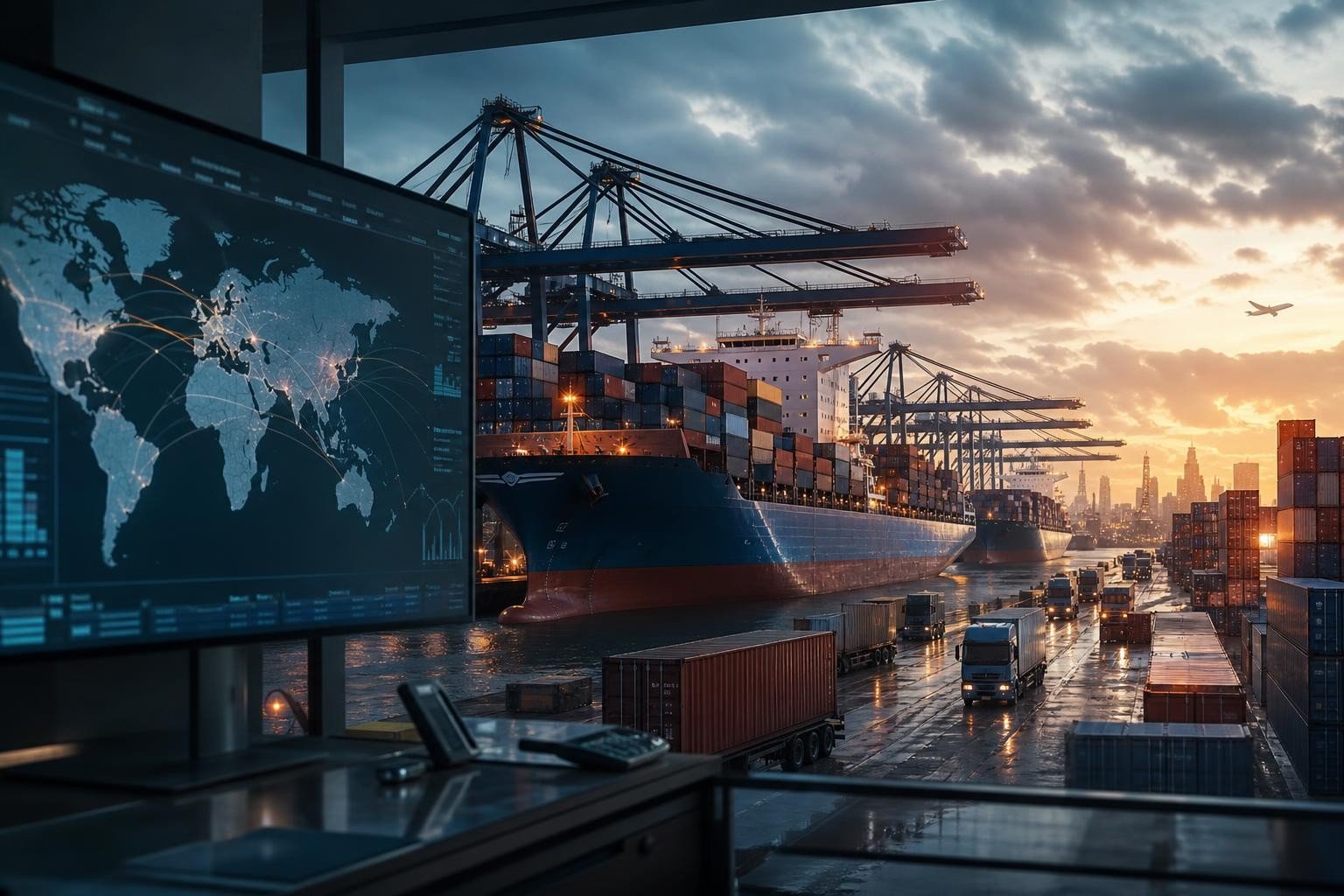
Geopolitical instability is no longer a distant risk for multinational companies. Conflict, sanctions, shipping disruptions and strained relations between major economies are increasingly influencing how businesses source materials, move goods, invest capital and plan their workforces.
The consequences are uneven. Some industries face higher costs and weaker demand, while others are benefiting from new investment in logistics, cybersecurity, defence, energy and domestic manufacturing. For employees, the shift is creating opportunities in strategic sectors but also greater uncertainty in globally exposed industries.
Supply chains are being redesigned
One of the clearest effects of geopolitical tension is the pressure on international supply chains. Disruptions to shipping routes can increase transit times, insurance costs and fuel expenses. Companies that depend on a narrow group of suppliers may also face delays when trade restrictions, border controls or political disputes interrupt established routes.
In response, many businesses are reconsidering the traditional emphasis on the lowest possible production cost. Resilience has become a more important part of procurement strategy. That can mean holding additional inventory, using suppliers in more than one country, moving some production closer to customers or investing in software that provides better visibility across the supply chain.
These measures can make operations more expensive in the short term. They may also support longer-term stability, particularly for manufacturers, retailers, pharmaceutical companies and technology businesses that depend on specialised components.
Investment is following strategic priorities
Government policy is increasingly shaping corporate investment. In many economies, public support is being directed toward energy security, advanced manufacturing, critical minerals, semiconductors, defence and digital infrastructure. Businesses aligned with these priorities may gain access to new contracts, incentives or financing.
At the same time, geopolitical risk is making companies more cautious about entering certain markets. Investment decisions now involve more than expected returns. Executives must consider sanctions, export controls, data regulations, political stability and the possibility that diplomatic relations could deteriorate during the life of a project.
This does not mean globalisation is ending. Rather, it is becoming more selective. Companies are likely to maintain international operations where the commercial benefits remain strong, while reducing exposure to markets or suppliers considered strategically vulnerable.
Employment effects will vary by sector
The labour-market impact is similarly mixed. Firms involved in logistics, risk management, compliance, cybersecurity, engineering, energy infrastructure and domestic production may need to hire more workers. Demand can also rise for professionals who understand sanctions, international regulation and regional markets.
Other workers may face pressure if their employers encounter higher import costs, weaker overseas demand or difficulty accessing components. Businesses responding to uncertainty may delay recruitment, reduce temporary staffing or reorganise operations before making permanent hiring commitments. Smaller companies are particularly exposed because they often have less bargaining power with suppliers and fewer resources to absorb sudden cost increases.
For employees, adaptability is becoming increasingly valuable. Technical skills remain important, but so do supply-chain knowledge, digital fluency, cross-border compliance and the ability to work across cultures. Companies that invest in retraining may be better positioned than those relying only on external hiring.
Leaders must plan for several futures
The most practical response is not to predict a single outcome. Businesses should model different scenarios, identify critical dependencies and establish clear triggers for changing suppliers, inventory levels or staffing plans. They should also communicate honestly with employees, who are often affected by geopolitical decisions without having any influence over them.
Global affairs will continue to influence commercial strategy. The companies most likely to withstand the next disruption will be those that treat geopolitical risk as an operating issue rather than a matter reserved for government-relations teams. Resilience, workforce capability and disciplined scenario planning are becoming central to competitiveness.