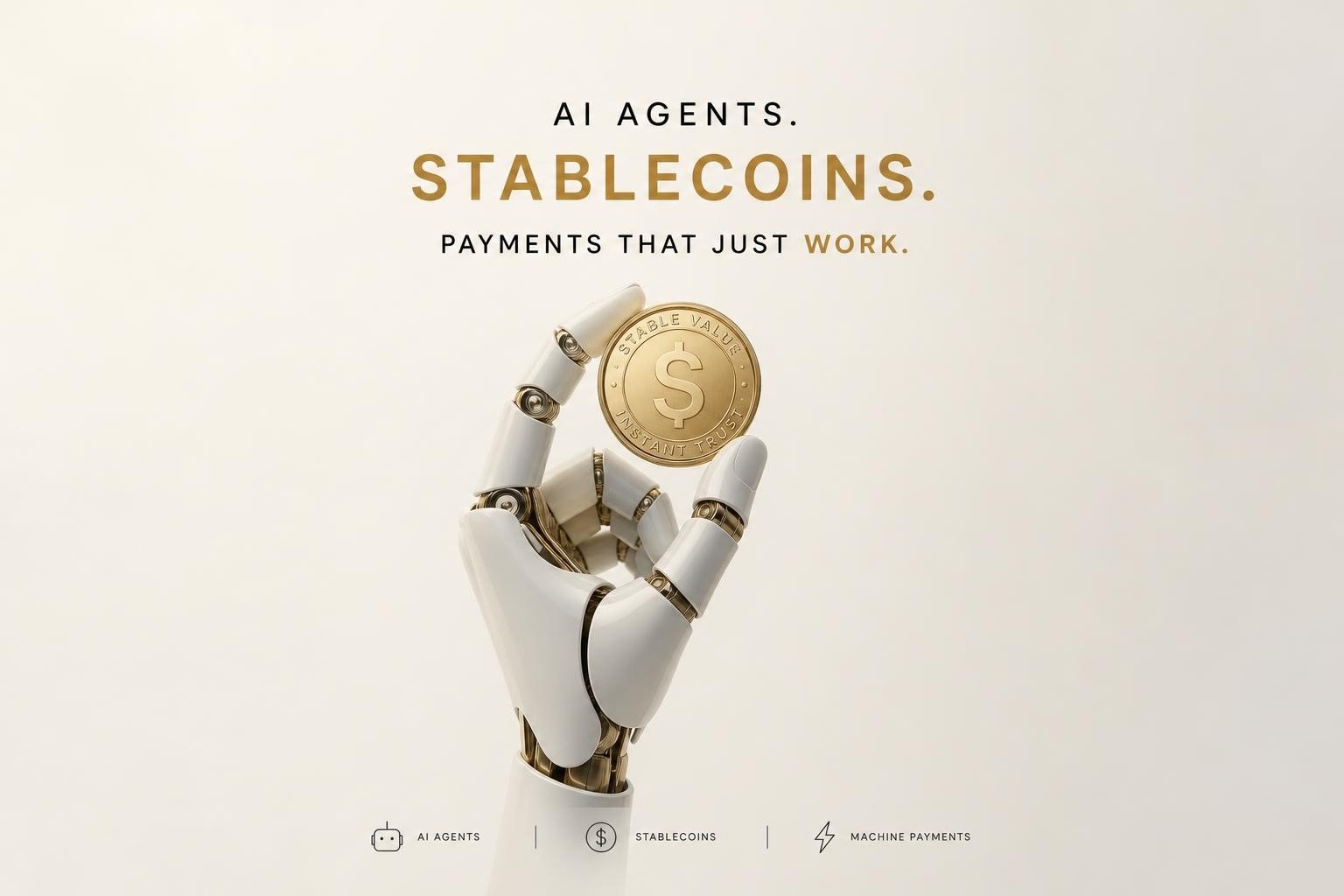
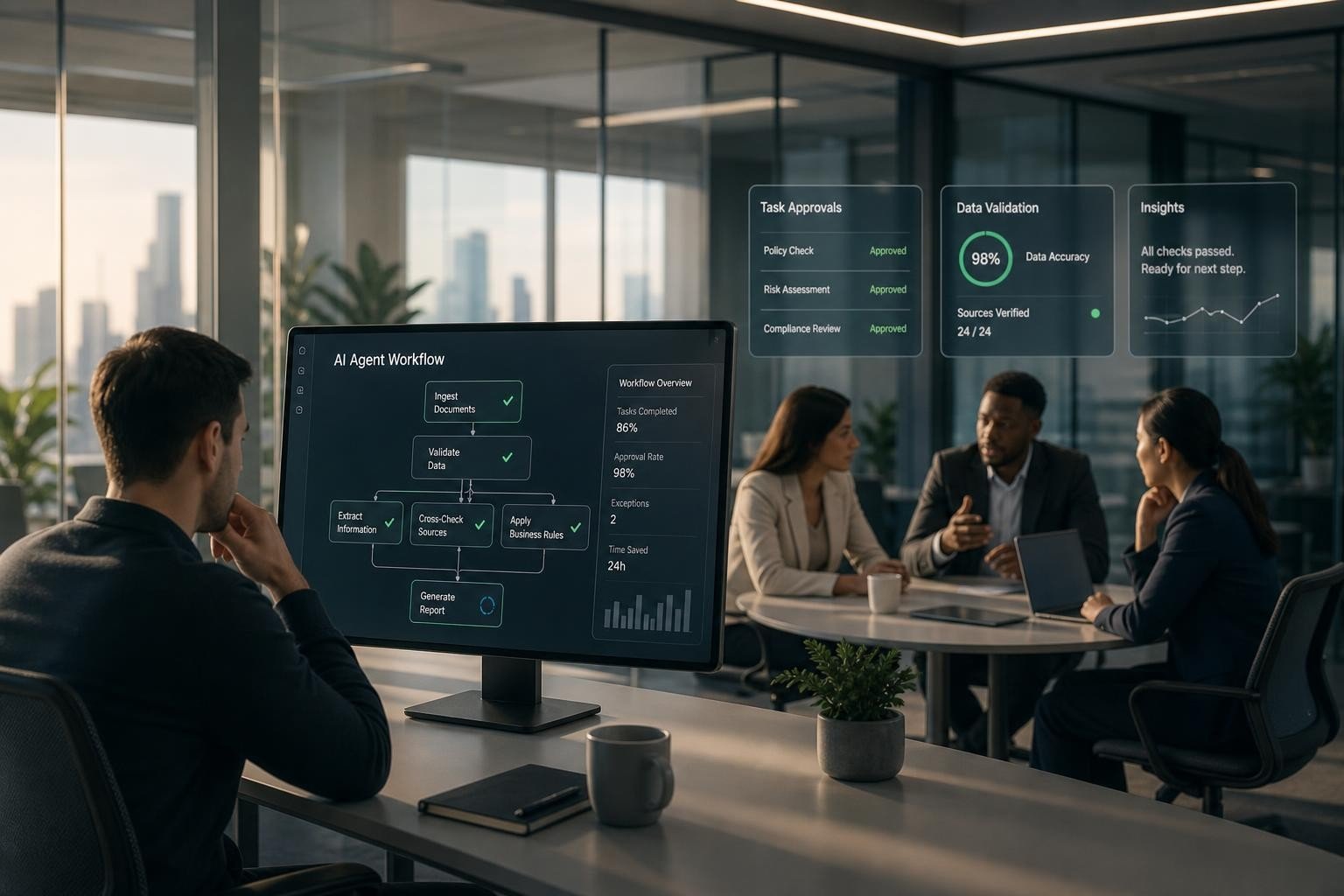
By 2027, the most important workplace change may not be the number of people using artificial intelligence. It may be the growing presence of AI agents that can plan tasks, retrieve information, coordinate workflows and complete work across multiple software systems.
An AI assistant typically responds to a request. An agent is designed to pursue a defined objective, often through several steps. That distinction could reshape daily work. Employees may increasingly assign agents a business outcome, review their progress and intervene when a decision requires context, judgment or accountability.
From task execution to work orchestration
Many office roles are built around recurring activities: preparing reports, scheduling meetings, checking documents, updating databases and summarising research. As agents become more capable, people may spend less time moving information between systems and more time deciding what should happen next.
This will not remove the need for clear instructions. In fact, the ability to define a goal precisely could become a core professional skill. Employees will need to specify the desired result, relevant constraints, approval thresholds and acceptable sources. They will also need to know when an agent has misunderstood the assignment.
Managers may become responsible for designing human-agent workflows rather than supervising every individual step. Performance discussions could examine how effectively a person uses digital systems, validates outputs and improves a process over time. The emphasis will shift from visible activity to the quality and reliability of results.
Trust, oversight and responsibility
The cultural challenge will be trust. An agent can produce a polished answer while relying on incomplete data, an incorrect assumption or an unsuitable instruction. Organisations that treat automation as self-correcting may create operational and reputational risks.
That makes oversight a workplace norm, not a technical afterthought. Companies will need rules for sensitive information, access permissions, record-keeping and human approval. The NIST AI Risk Management Framework offers one established reference point for thinking about AI-related risk, although each organisation will need policies suited to its industry and legal obligations.
Responsibility must remain visible. If an agent recommends a supplier, drafts a customer response or alters a financial record, employees should understand who reviews the action and who owns the final decision. Clear accountability will matter more than claims that a system is autonomous.
A new divide in workplace capability
Access to agents alone will not determine who benefits. Employees with strong domain knowledge may use them more effectively because they can challenge weak results and identify missing context. Training, therefore, should cover business judgment as well as software features.
Workplaces could also see a divide between teams that are allowed to experiment and those that face strict controls. The difference may be justified in regulated environments, but excessive restrictions can encourage unofficial tools and hidden processes. Leaders will need to balance experimentation with documented safeguards.
Research from the International Labour Organization highlights the importance of examining how AI affects job quality, not only employment totals. That perspective is relevant to agents: a role may remain in place while its autonomy, workload and skill requirements change significantly.
Preparing for 2027
Organisations preparing for this shift should begin with specific workflows rather than broad promises about transformation. They can document where agents may assist, define human checkpoints, test outputs and measure whether the process actually improves service or reduces avoidable work.
Employees will also need space to report failures without being blamed for every system error. A healthy culture treats mistakes as evidence for improving instructions, controls and training. By 2027, the strongest workplaces may be those where people know when to delegate to an agent, when to question it and when to take over.
For a broader view of how technology is changing management, read our coverage of AI leadership strategy and the future of workplace skills.